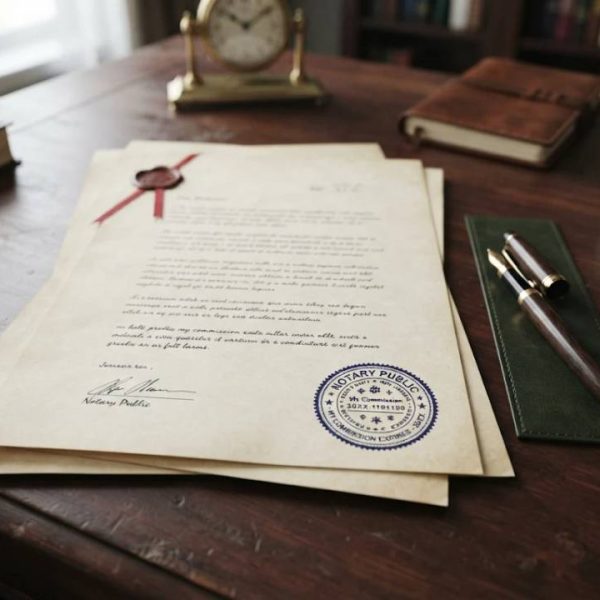
In legal work, a single word can carry thousands of dollars. A contract clause, a court order or a witness statement may travel across borders, and when it does, the translation becomes part of the evidence. Errors that look small on the page can reshape a case, delay a ruling or cancel an agreement.
Why Legal Translation Is High Stakes
Legal documents are written to be precise. Every term has a defined meaning, and courts interpret them strictly. If a translation changes a word, it may change a right or an obligation.
Judges, notaries and registry offices generally expect translations to be complete and faithful. In law, a translation is not a convenience. It is a document that others will rely on.
Mistake One: Literal Translation
Translating word for word often produces text that sounds unnatural and may even be wrong. Legal concepts differ between systems, and a literal equivalent may not exist. Terms like trust, consideration or injunction have no exact match in many languages.
A skilled translator finds the closest functional equivalent and, if needed, adds a short explanation or leaves the original term in brackets. This preserves both accuracy and clarity.
Mistake Two: Ignoring the Legal System
A translator who knows only the languages and not the legal systems involved can make serious errors. The meaning of a notarial act in one country may differ from another, and procedures for signing and sealing vary.
Always choose linguists with legal training or experience in the specific field. Contracts, court rulings and corporate filings each have their own style and vocabulary.
Mistake Three: Inconsistent Terminology
A long contract may use the same defined term dozens of times. If the translation renders it differently in different places, readers may think different things are meant. This confusion can trigger disputes.
Glossaries and translation memories solve this problem by ensuring that every occurrence of a term is translated in the same way. Ask your provider how they manage terminology on legal projects.
Mistake Four: Skipping Certification
Many authorities will reject an uncertified translation. A certified translation includes a signed statement that the text is accurate, and some countries also require a sworn translator or a notarized signature.
People who deal with Romanian documents, for example, often need romanian to english translation with the right certification for immigration, property or family law cases, and checking requirements first saves time and money.
Mistake Five: Forgetting Business Context
Legal translation is not limited to courtrooms. Companies use it for mergers, licensing, employment and compliance. A mistranslated clause in a distribution agreement can create liabilities that last for years.
This article on legal document translation services in business explains how companies use professional translators to reduce risk.
Mistake Six: Rushing the Review
Tight deadlines tempt teams to skip review. Yet a second linguist or a lawyer checking the text is the best protection against mistakes. Reviewers catch missed sentences, wrong numbers and inconsistent terms.
Plan enough time for a bilingual review before signing or filing. Even one extra day can prevent costly corrections later.
Use Professional Guidance
Professional bodies for lawyers publish material on cross-border practice, ethics and confidentiality. The American Bar Association provides resources that help legal professionals understand how to work with interpreters and translators in different settings.
Reading these resources helps you brief your language provider better and understand what to expect from the process.
Protect Confidentiality
Legal files contain sensitive personal and commercial information. Providers should use secure transfer, sign confidentiality agreements and limit access to the team. Ask about deletion policies and data storage.
Never send legal documents to free online tools that retain data. Confidentiality is part of professional ethics, and your provider must treat it that way.
A Short Checklist
Choose a translator with legal experience. Share the full document, including annexes. Provide a glossary or previous translations. Confirm certification needs. Allow time for review. These steps are simple, and they prevent most of the costly mistakes seen in cross-border legal work.
Final Thoughts
Good legal translation is quiet. When it is done well, no one notices it. When it is done badly, everyone does. Investing in qualified linguists, clear processes and careful review protects your case, your contract and your reputation, wherever your documents need to travel.
Questions to Ask Your Provider
Do your translators have legal training? How do you handle terminology? Can you provide certification? Who reviews the text? What are your confidentiality practices? Clear, direct answers to these questions show whether a provider is ready to handle documents that matter.
Dates, Numbers and Names
Mistakes in small details are surprisingly common. A date written day first in one country and month first in another can change a deadline. Decimal points and commas may swap roles, and names may be spelled differently across alphabets. Always verify dates, amounts and names against the original, and ask the translator to flag anything that seems ambiguous.
Handwriting and Stamps
Original documents often contain handwritten notes, stamps and signatures. A good translator describes them in brackets, such as signature or illegible, so that the reader knows what appears on the original. Skipping these details may cause the receiving office to question the translation.